Los Functional digestive disorders affect a significant proportion of the population (some studies report that more than 15% of the population is affected), and have a major impact on quality of life. Furthermore, most digestive disorders can be prevented if treated in time.
There is no one-size-fits-all treatment, but the Diet for functional digestive disorders plays a very important role in managing these symptoms.
Nowadays, many drugs present side effects or ineffective results. Therefore, more and more digestive medicine specialists recommend managing symptoms through a Dietary intervention for functional gastrointestinal disorders.
Los trastornos funcionales digestivos (TFD) son un grupo de afecciones que afectan el funcionamiento del intestino. Se caracterizan por una alteración de la forma en que el cerebro y el intestino se comunican, lo que puede provocar síntomas como dolor abdominal, hinchazón, diarrea y estreñimiento.
En los TFD, la estructura del intestino es normal, pero su funcionamiento se ve afectado. Esto significa que los alimentos pueden no pasar por el intestino a la velocidad adecuada, o los nervios del intestino pueden ser demasiado sensibles.
Los TFD son comunes y pueden afectar a personas de todas las edades. El tratamiento puede incluir cambios en la dieta, medicación y terapia conductual.
Algunos ejemplos comunes de TFD incluyen:
* **Síndrome del intestino irritable (SII):** El SII es la TFD más común y se caracteriza por dolor abdominal, hinchazón, diarrea y/o estreñimiento.
* **Dispepsia funcional:** La dispepsia funcional se caracteriza por dolor de estómago, hinchazón, sensación de plenitud y náuseas, sin una causa física aparente.
* **Estreñimiento funcional:** El estreñimiento funcional se caracteriza por movimientos intestinales infrecuentes o difíciles.
* **Diarrea funcional:** La diarrea funcional se caracteriza por deposiciones frecuentes y acuosas sin una causa médica identificada.
Si experimenta síntomas digestivos persistentes, es importante consultar a un médico para obtener un diagnóstico y un plan de tratamiento.
Functional disorders are digestive system disorders that do not have a specific organic cause but whose symptoms are very persistent and uncomfortable.
Symptoms include abdominal pain, bloating, gas, diarrhoea, constipation, nausea, indigestion or a feeling of fullness. These symptoms can lead to food intolerances, alterations in the gut microbiota or sensitivity to certain food compounds.
They can be seen several organs of the digestive system affected, so the therapeutic approach must be individualised and tailored to each patient. In this context, a diet adapted to functional digestive disorders through a specific diet is essential.
The role of diet in functional gastrointestinal disorders
Adopt. suitable diet for people with functional digestive disorders it could be one of the best options for improving your symptoms. However, there is no one-size-fits-all diet, so individual assessment is important.
Many patients, due to a lack of information, turn to the internet or even artificial intelligence tools to seek solutions. In our Digestive Medicine Centre, we recommend consulting a specialist so that through a detailed clinical assessment, I have designed a diet plan for functional digestive disorders tailored to your needs.
Even so, there are a number of general guidelines that can help to improve symptoms. Applying them correctly within a diet intended to treat functional digestive disorders can make a big difference.
To carry out between 5 to 6 daily intakes helps to avoid prolonged fasting and binge eating, promoting proper digestion. Eating slowly and chewing well reduces digestive discomfort and is part of a dietary strategy for functional disordersEffective digestive aid.
Light digestion and small portions
Avoid foods high in fat or heavy meals helps the digestive system not to be overloaded. The Controlled portions they facilitate a more manageable digestion within a diet designed for patients with functional digestive disorders.
Identify the triggers
Keeping a food diary can be very useful for identifying foods that aggravate symptoms. This record allows the specialist to design a Diet for functional digestive disorders adapted to the patient's real needs.
Avoid alcohol and caffeine
The Alcohol and the Caffeine irritates the digestive system, so it's important to eliminate them from your diet to avoid acidity and improve digestion.
Follow a personalised diet
According to the diagnosis, the dietary treatment is different. Treating IBS is not the same as treating SIBO. Therefore, the Dietary customisation based on functional gastrointestinal disorders It is key to achieving effective results.
Foods to include in your diet recommended for functional digestive disorders
First and foremost, it is important to note that the foods we mention below are general recommendations. You should always consult a specialist that guides you about the Best diet based on your functional digestive disorders, as the choice of food will depend on the type of disorder and the symptoms you present.
Broadly speaking, we'll leave you with some suggestions that you can incorporate into a diet based on a therapeutic eating plan for functional digestive disorders.
Low-fat foods
Los processed foodsshould be excluded from your diet. Opt for fresh ingredients cooked lightly (boiled, steamed, baked), as these improve digestion and reduce inflammation.
Foods with prebiotics and probiotics
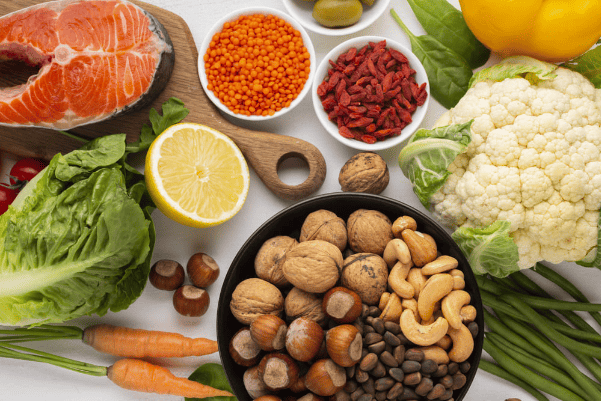
Los prebiotics (like those found in artichokes, onions, asparagus or legumes) and the probiotics (such as yogurt or kefir) help maintain the balance of the gut microbiota. This is key within a diet with a positive effect on functional digestive disorders.
Fruit and vegetables
Despite some digestive issues requiring limited consumption during acute phases, eating fruits and vegetables helps to regulate bowel movements.
Protein foods
To have good bowel function, it is necessary to consume foods such as Eggs, fish, white meat and legumes (depending on tolerance). The choice and preparation of these proteins will depend on the specific pathology and the type of diet applied to functional digestive disorders.
How does diet affect digestive disorders?
Diet plays a fundamental and decisive role in functional digestive disorders. An appropriate diet for functional digestive disorders not only alleviates symptoms, but can prevent future relapses y Better the quality of life of the patients.
The diet adapted for people with functional digestive disorders should be personalised y supervised by a specialist team. Avoiding self-medication and maintaining a balanced diet are key to digestive well-being.
At GASTEA, following a precise medical diagnosis, we recommend that a specialised nutritionist designs the personalised diet. We provide the clinical and general foundations, and it is the nutritionist who adapts the diet to each specific case in order to achieve a real improvement in symptoms.
If you think your diet might be related to your symptoms, our Specialists in Neurogastroenterology At GASTEA, we can help you design a therapeutic plan tailored to your case.
– Mearin F, Peña E, Balboa A. Importancia de la dieta en el síndrome del intestino irritable [Importance of diet in irritable bowel syndrome]. Gastroenterol Hepatol. 2014 May;37(5):302-10. Spanish. doi: 10.1016/j.gastrohep.2013.12.010. Epub 2014 Feb 28. PMID: 24582764.
-Tack J, Tornblom H, Tan V, Carbone F. Evidence-Based and Emerging Dietary Approaches to Upper Disorders of Gut-Brain Interaction. Am J Gastroenterol. 2022 Jun 1;117(6):965-972. doi: 10.14309/ajg.0000000000001780. Epub 2022 Apr 13. PMID: 35417429; PMCID: PMC9169754.
-Black CJ, Staudacher HM, Ford AC. Efficacy of a low FODMAP diet in irritable bowel syndrome: systematic review and network meta-analysis. Gut. 2022 Jun;71(6):1117-1126. doi: 10.1136/gutjnl-2021-325214. Epub 2021 Aug 10. PMID: 34376515.
Tell us what you thought of this article. Rate it (FROM 1 TO 5 STARS).