




What is irritable bowel syndrome
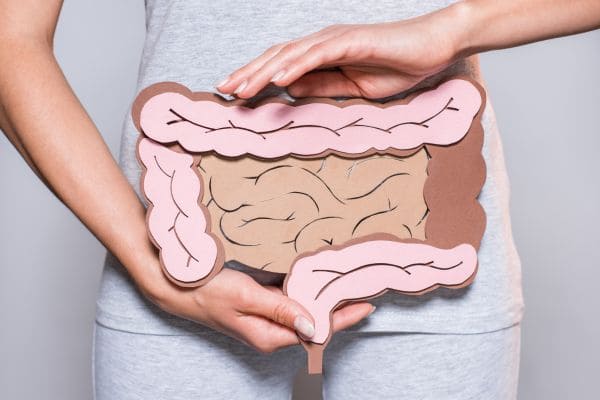
The Irritable bowel syndrome (IBS), It is one of the most common digestive disorders, although it is often underestimated. It affects the gastrointestinal system, causing abdominal pain and changes in bowel movements, which can cause great discomfort to those who suffer from it.
One of the most important aspects of irritable bowel syndrome is that its causes are not always physical in origin, but rather that the interaction between the brain and the gut is strongly linked. This link is at the heart of Neurogastroenterological therapies, which treat the disorder from a perspective that integrates both digestive, psychological, and emotional aspects.
Although changes to diet, lifestyle, and stress management can improve irritable bowel syndrome symptoms, the Neurogastroenterological therapies they offer a deeper approach to treating dysfunctions that occur between the nervous system and the digestive system. In our digestive medicine clinic in Madrid, we conduct a personalised and specialised study to evaluate your case and offer you an appropriate diagnosis and treatment.
Symptoms of Irritable Bowel Syndrome
The symptoms of irritable bowel syndrome vary, but they are usually recurrent and persist over time. If you experience symptoms such as abdominal pain, changes in bowel movements (diarrhoea or constipation), and a constant feeling of abdominal bloating or gas, you may have IBS.
Los Irritable bowel syndrome symptoms must occur at least three days a month for three consecutive months. Some of these symptoms are:
- Abdominal pain and cramps.
- Gas and bloating.
- Changes in bowel habits.
- Meteorism

Neurogastroenterological therapies in the treatment of Irritable Bowel Syndrome
The Neurogastroenterological therapies focus on the connection between the brain and the gut, as the nervous system directly influences intestinal function. In this regard, factors such as stress, emotions, and psychological factors can trigger or worsen irritable bowel syndrome symptoms.
But why does this happen? When a person experiences stress or anxiety, the brain sends signals to the gut that can alter its functioning. Due to this interaction, therapies that address both the emotional and physical aspects are particularly effective in treating this disorder.
Neurogastroenterological therapies include:
- Pharmacological treatment which modify the neurotransmitters that affect the gut-brain communication, prescribed by a specialist in neurogastroenterology. On many occasions there is an alteration of neurotransmitters such as serotonin, and by increasing their levels, the patient shows a clear improvement in irritable bowel syndrome.
- Psychological therapies and biofeedback carried out by specialist psychologists. These therapies are very effective in reducing stress and anxiety, two factors that affect and worsen irritable bowel symptoms. Biofeedback, in particular, allows patients to learn to control their physiological responses, through feedback from electronic devices, helping to reduce IBS-related pain.
- Relaxation techniques: Some techniques, such as meditation or deep relaxation, can help reduce abdominal pain and bloating.
When should I see a doctor?
If you're experiencing symptoms of Irritable Bowel Syndrome, such as frequent changes in bowel movements or persistent abdominal pain, we recommend booking an appointment with our specialist digestive medicine doctors.
In our Digestive médecine clinic in Madrid, we have Gastroenterology specialists who carry out a comprehensive diagnosis and design a personalised treatment plan, which includes both traditional medical approaches and emotional and psychological management therapies.