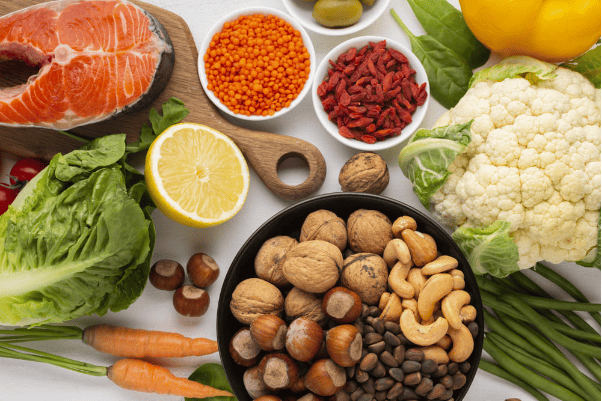
There is a growing interest in the gut microbiota due to its recognition as a key player in both host physiology and disease development. Furthermore, in recent years, there has been extensive research in the area of the gut microbiota, and it appears that dysbiosis may be associated not only with digestive disorders such as Irritable bowel syndrome (SII), but also to metabolic disorders such as fatty liver disease, diabetes mellitus and neurodegenerative diseases. The symbiosis between the host and intestinal microbial communities is essential for human health, and its disruption is strongly linked to gastrointestinal and extraintestinal diseases.
Intestinal dysbiosis is an imbalance in the gut microbiota, which is the community of microorganisms living in your digestive tract. This imbalance can affect your health in several ways:
* **Digestive Issues:** Dysbiosis can lead to symptoms like bloating, gas, diarrhoea, constipation, and abdominal pain. It can also contribute to more serious conditions like Irritable Bowel Syndrome (IBS) and Inflammatory Bowel Disease (IBD).
* **Weakened Immune System:** A healthy gut microbiome plays a crucial role in training and regulating your immune system. When this balance is disrupted, your immune system may become overactive or underactive, making you more susceptible to infections or autoimmune conditions.
* **Nutrient Absorption Problems:** The gut bacteria help break down food and absorb nutrients. Dysbiosis can impair this process, leading to deficiencies in vitamins and minerals.
* **Mental Health Impact:** The gut and brain are closely connected through the gut-brain axis. An imbalanced gut microbiome has been linked to mood disorders like anxiety and depression, as well as cognitive issues.
* **Increased Inflammation:** An overgrowth of certain bacteria in dysbiosis can trigger chronic inflammation throughout the body, which is associated with a range of chronic diseases.
* **Skin Conditions:** Emerging research suggests a link between gut health and skin conditions like acne, eczema, and psoriasis.
Factors contributing to dysbiosis include poor diet (low in fibre, high in processed foods and sugar), antibiotic use, stress, lack of sleep, and certain medical conditions.
In our digestive system lives a community of microorganisms, bacteria, viruses and fungi, which form what we know as Intestinal microbiota. When this balance is disrupted, intestinal dysbiosis occurs, an imbalance that can affect your health beyond the digestive system.
The microbiome, for its part, is the entire genetic material of all those microorganisms. We could say that the intestinal microbiota are the inhabitants of the intestine, while the microbiome is the instruction manual that regulates them.
- Microbiome It is a diverse community of microorganisms that stably colonises the human gastrointestinal tract (GIT) from birth, reaching its adult composition around the age of 3. This community includes protists, bacteria, archaea, fungi, and viruses. The collective genome of these microbes (the microbiome) is 150 times larger than the human genome. The microbiota plays a fundamental role in functions such as digestion, metabolism, immune function, and gut-brain communication.
- Eubiosis It is the term that describes the state of balance and the mutualistic relationship between the microbiota and the host. In a state of eubiosis, the microbiota contributes to the maintenance of gastrointestinal homeostasis and the correct functioning of the microbiota-gut-brain axis. High microbial diversity correlates positively with optimal health.
- Dysbiosis It is defined as an alteration or imbalance in the structure, composition, and function of microbial communities. It is associated with an altered physiological state, such as inflammation or increased transepithelial permeability, or with diseases in which it participates in pathogenesis, diagnosis, or treatment. Dysbiosis can involve a reduction in beneficial microbial organisms and an overgrowth of potentially harmful commensals.
Gut-Brain Axis
The gut-brain axis describes the bidirectional connection between the gastrointestinal tract and the central nervous system, including the gut microbiota. This communication involves neural connections, endocrine mediators such as the HPA axis, immune mediators, and microbial bioactive products. Alterations in this axis are considered the basic pathophysiological mechanism associated with diseases such as IBS, also explaining the comorbidity with psychiatric disorders.
Los síntomas de la disbiosis intestinal pueden variar, pero a menudo incluyen:
* **Trastornos digestivos:** hinchazón, gases, diarrea, estreñimiento, dolor abdominal y calambres.
* **Náuseas.**
* **Pérdida de apetito.**
* **Fatiga.**
* **Dolores de cabeza.**
* **Cambios en el estado de ánimo, como ansiedad o depresión.**
* **Problemas en la piel, como eccema o acné.**
* **Alergias o intolerancias alimentarias.**
* **Sistema inmunitario debilitado, lo que lleva a infecciones frecuentes.**
The symptomatology of dysbiosis is broad and non-specific. The most frequently reported symptoms are abdominal bloating, abdominal pain, and diarrhoea. Others may include increased pain sensitivity, fatigue, anxiety, depression, sleep disturbances, memory loss, and behavioural changes. Despite research, the symptoms remain non-specific, and validated diagnostic and therapeutic resources are scarce.
linked to Irritable Bowel Syndrome present in your body for a long time without you noticing, as it does not always show clear or evident symptoms directly related to the digestive system.
Symptoms such as prolonged fatigue without apparent cause, mood changes or slow digestion often delay a proper diagnosis.
Among the most common symptoms related to gut dysbiosis are:
- Bloating or excessive gas.
- Diarrhoea and constipation.
- Chronic fatigue and lack of energy.
- Bad breath (halitosis) or taste in the mouth.
- Headache and difficulty concentrating.
- Skin problems (acne, rosacea, eczema).
- Anxiety or mood swings.
They can also appear food intolerances, which are reflected in skin problems or headaches, such as migraines or headaches. Furthermore, some people with intestinal dysbiosis may have a greater predisposition to developing autoimmune or neurodegenerative diseases.
La disbiosis intestinal puede afectar a nuestra salud de muchas maneras. Puede provocar problemas digestivos como hinchazón, gases, diarrea y estreñimiento. También puede influir en nuestro sistema inmunitario, haciéndonos más propensos a las infecciones.
Además, la disbiosis intestinal se ha relacionado con una serie de afecciones crónicas, como el síndrome del intestino irritable (SII), las enfermedades inflamatorias intestinales (EII), la obesidad, la diabetes e incluso la depresión y la ansiedad.
La investigación aún está en curso, pero se cree que el desequilibrio de las bacterias intestinales puede alterar la forma en que nuestro cuerpo procesa los alimentos, absorbe los nutrientes y produce ciertas vitaminas. También puede afectar a la comunicación entre el intestino y el cerebro, lo que repercute en nuestro estado de ánimo y bienestar mental.
The gut is linked to the immune system, the nervous system, and metabolism, so when gut dysbiosis occurs, it can lead to various complications:
- Increased susceptibility to infections A weakened intestinal barrier allows harmful bacteria to enter the body more easily.
- Low-grade chronic inflammation When the gut is unhealthy due to gut dysbiosis, it can affect the entire body, causing persistent inflammation.
- Mood changes: The gut microbiota directly influences the production of neurotransmitters like serotonin, which impacts our mood. These connections between the digestive and nervous systems are increasingly being studied from the Neurogastroenterology.
- Hormonal imbalances: Intestinal dysbiosis can cause changes in body weight and alter appetite.
Causes of gut dysbiosis
There are many factors that can alter the balance of the gut microbiota. Among the most common are:
- The consumption of certain medications, such as gastric protectors or painkillers, which can affect the microbiota.
- One Power supply low in sugar, ultra-processed foods and saturated fats.
- Genetic factors which predispose to intestinal dysbiosis.
- Environmental factors (Caesarean section, stress, excessive hygiene).
How to identify if you have gut dysbiosis
Intestinal dysbiosis is not easy to detect, as its symptoms are usually very scattered and non-specific. However, if you suspect you may suffer from it, it is important to see a specialist.
On some occasions, specific tests or studies of the gut microbiota will be performed. However, in other cases, it will be sufficient to evaluate lifestyle and habits to identify possible causes.
There are diagnostic limitations: non-specific symptoms make diagnosis difficult. Current tools include faecal profiles, dysbiosis and microbiome health indices, breath tests, and questionnaires, but they lack robust validation by medical societies.
Research into microbiota offers opportunities for new preventive strategies and therapeutic (diet, probiotics, FMT), but Without creating false expectationsControlled trials, reliable biomarkers, and longitudinal studies are needed to advance towards clinical applications.
Tell us what you thought of this article. Rate it (FROM 1 TO 5 STARS).