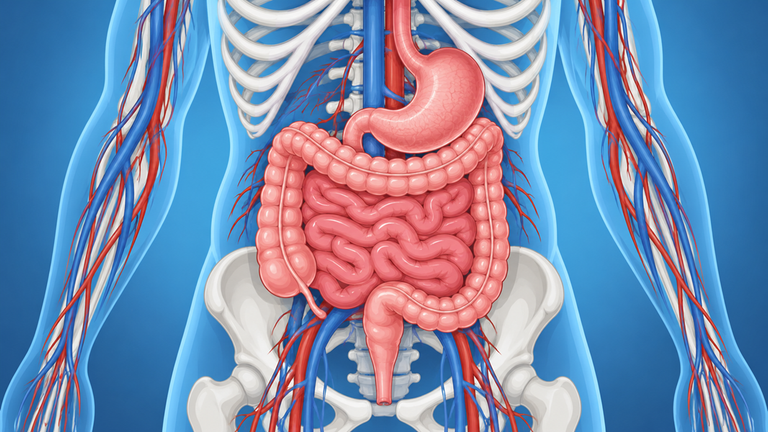


Endoscopy is a way of diagnosing illnesses that are not visible to the naked eye. In this medical procedure A mini-camera is introduced into the human body., at the end of a flexible instrument called an endoscope, which allows visualisation of the inside of the body.
In Gastea, the advanced endoscopic diagnostic techniques and the Advanced endoscopic resection techniques for treating digestive system diseases are two of our specialities. These techniques allow us to detect anomalies in the digestive tract in order to plan treatment tailored to each patient's situation, as well as to remove localised lesions.
In this article, we're going to tell you about the most notable diagnostic techniques that we carry out in our Digestive Centre in Madrid to assess the condition of our patients and be able to diagnosing diseases of the digestive system.
What types of endoscopy are there for examining the digestive system?
There are various types of endoscopies to treat multiple conditions and diseases. Doctors perform endoscopies to assess the condition of the lungs, sexual organs, bladder, and larynx.
At our centre, we specialise in carrying out Gastroscopies (oral panendoscopy) and colonoscopies, that is to say, we use this technique to evaluate the condition of the digestive system.
- GastroscopyThis is performed to examine the oesophagus, stomach and duodenum. A flexible tube is inserted into the mouth which helps to detect hernias, gastritis, stomach tumours, ulcers, etc.
- ColonoscopyIn this procedure, a slightly thicker instrument is used, which is inserted through the anus to explore the entire colon, as well as part of the small intestine.
Both digestive endoscopies are usually performed with sedation to improve patient tolerance.
Advanced endoscopy techniques for greater diagnostic accuracy
To offer a better diagnosis and more accurately assess the condition of these areas, at Gastea we have incorporated some Advanced endoscopy techniques.
- The chromoendoscopy. Traditionally, in this system, dyes with different properties were applied to the organs studied in order to distinguish more accurately the injuries. Currently, digital chromoendoscopy replaces dyes with Optical filters or special light sources.
- The magnification get Enlarging real-time endoscopy images without reducing image quality. It is combined with chromoendoscopy and allows the gastroenterologist to visualise vascular structures and diagnose, among other conditions, early-stage forms of stomach cancer.
- The Ecoendoscopia it is usually carried out using ultrasound waves. It serves to complementarily assess the severity and depth of a lesion, as well as to monitor patients affected by gastric cancer.
To be able to perform diagnostics by endoscopy, at Gastea we have state-of-the-art equipment. Gastroscopes and colonoscopes, , they are instruments that allow us to perform advanced endoscopic techniques with quality, such as chromendoscopy or magnification.