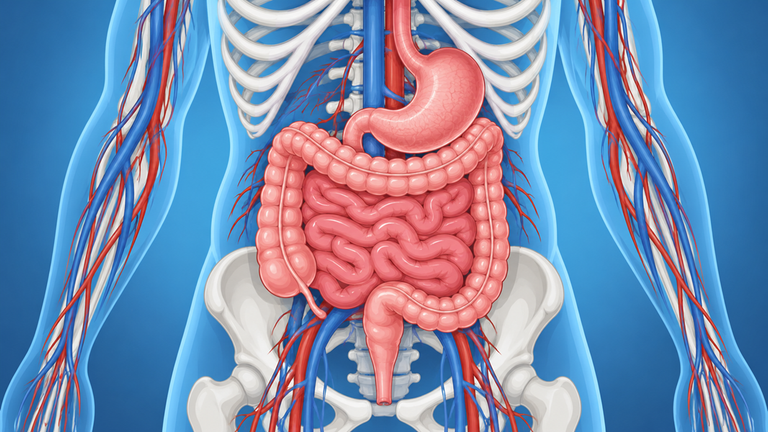
The Heartburn after eating, the sensation that food is not descending correctly or recurring discomfort in the upper abdomen can, initially, be minor digestive disorders. However, when these symptoms persist, worsen, or appear accompanied by warning signs, a Gastroscopy for reflux and dysphagia it is fundamental for determining the origin of the problem and assessing the real state of the upper digestive tract.
It is important to stress that a gastroscopy is not prescribed for any isolated discomfort. Its indication should always be personalised, based on the evolution of symptoms, clinical history and the doctor's specialist judgement.
Reflujo refers to the backward flow of stomach acid into the oesophagus. The oesophagus is the tube that connects the throat to the stomach. When stomach acid flows back into the oesophagus, it can cause a burning sensation in the chest, which is known as heartburn. This condition is called gastro-oesophageal reflux disease (GORD) or acid reflux.
The rGastro-oesophageal reflux It occurs when the acidic contents of the stomach ascend into the oesophagus. Its most common manifestations include heartburn (behind the breastbone), regurgitation, an acidic taste in the mouth, or discomfort after meals.
While experiencing occasional episodes is common, the problem arises when reflux becomes chronic, impacts quality of life, or causes continued irritation of the oesophageal mucosa. In some patients, this persistent inflammation can lead to erosions or strictures that impede the normal passage of food.
On occasion, heartburn manifests through atypical or less obvious symptoms:
Persistent cough with no clear respiratory cause.
Frequent throat clearing or a tickly/itchy sensation in the throat.
Hoarseness, especially upon waking.
Chest pain that has been ruled out as being of cardiac origin.
Lingering heartburn when lying down.
These signs, on their own, do not confirm a reflux disease, but their persistence warrants a Professional medical assessment instead of relying on home remedies or self-medication.
Dysphagia: when swallowing stops being a natural act
The Dysphagia This is defined as the difficulty or sensation of an obstacle when swallowing solids, liquids, or both. Many patients report the sensation of food getting stuck in their throat or chest.
This condition should not be confused with the occasional discomfort of eating too quickly. When dysphagia is recurrent, progressive, or starts to affect food choices, A diagnostic study is necessary.
How to identify it?
These are some frequent signs:
Need to constantly ingest liquids to help food go down.
Immediate feeling of «sticking» when swallowing.
Initial difficulty swallowing solid food.
I have two choking episodes during meals.
Pain when swallowingOdynophagia).
Regurgitation of food or fear of eating due to associated discomfort.
Dysphagia can arise from various causes, from scars caused by chronic reflux to alterations in oesophageal motility or structural narrowing. Gastroscopy for reflux and dysphagia it is the key tool for identifying these injuries and defining precise treatment.
Gastroscopy: a window to precise diagnosis
The Gastroscopy, Oh Gastroscopy, is an exploration that allows direct visualisation of the interior of the oesophagus, stomach and duodenum using a thin, flexible tube equipped with a high-resolution camera.
This technique allows the specialist to examine the digestive mucosa with precision, locate potential lesions, and, if necessary, take tissue samples (biopsy) for histopathological analysis. Its clinical value is incalculable, as it helps to rule out or confirm:
Oesophagitis.
Oesophageal stenosis or narrowing.
Ulcers or erosive lesions.
Hiatus hernia.
Gastritis or eosinophilic oesophagitis.
A gastroscopy is indicated when someone has symptoms such as:
* Difficulty swallowing
* Pain or discomfort in the upper abdomen
* Unexplained weight loss
* Vomiting blood or material that looks like coffee grounds
* Black, tarry stools
* Persistent heartburn or indigestion
* Suspected ulcers, inflammation (gastritis or oesophagitis), or cancer of the oesophagus, stomach or duodenum.
It can also be used to:
* Monitor conditions like Barrett's oesophagus or previous ulcers.
* Take biopsies (tissue samples) for further examination.
* Remove foreign objects or treat bleeding.
While in patients with mild symptoms, hygienic-dietary changes or initial medical treatment may be chosen, endoscopy acquires a Critical relevance in the face of warning signs The lack of response to treatment. Current clinical guidelines recommend considering this test if the following factors are present:
Persistent or progressive dysphagia Especially if the difficulty increases over time.
Unexplained weight loss A symptom that the digestive process is disturbed.
Digestive bleeding Vomiting blood or presence of black stools (requires urgent attention).
Iron-deficiency anaemia Without an obvious cause, it may be due to small chronic losses.
Refractory reflux When symptoms do not improve after adequate treatment.
Risk factors Age, family history, or prolonged duration of symptoms.
The role of gastroscopy in prevention
Prevention in this area does not involve unnecessary testing, but rather identify patients at highest risk in a timely manner and detect complications in the early stages. Timely intervention allows for treatment adjustments, improved symptoms, and prevention of the progression of more serious oesophageal pathologies.
Exam preparation
The medical team will always offer clear guidance on fasting, medication management (especially anticoagulants or antiplatelets) and other safety aspects. transparent communication Regarding allergies, previous illnesses, or pregnancy is fundamental to ensure the success and safety of the examination.
Commitment to your digestive health
The frequent reflux and the Dysphagia should not be normalised or assumed to be part of daily routine. In GASTEIZ, We address your case holistically, evaluating your individual symptoms and needs to offer you a precise diagnosis.
Our goal is to provide you with the peace of mind that comes from rigorous study, performing only tests that offer a clear benefit to your health. If you have persistent reflux or difficulty swallowing, don't wait any longer.
At GASTEA, the study is approached with individual assessment, taking into account the symptoms, medical history, and needs of each patient. The aim is not to perform unnecessary tests, but to recommend appropriate investigations when they can provide relevant information for diagnosis and prevention.