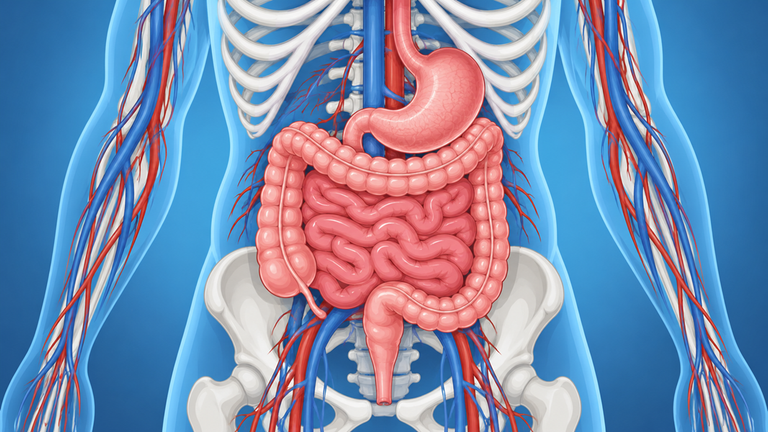




The stomach, alongside the oesophagus and the intestine, deals with digesting and processing nutrients of the food we consume. To emphasise the specific function of the stomach, we can clarify the journey food takes. After passing down the throat and through the muscular tube of the oesophagus, food arrives at the stomach, where it is partially digested before passing through the small intestine and the large intestine.
The stomach has three parts: fundus, body, and antrum, with an entrance from the oesophagus (cardia) and an exit to the small intestine (pylorus). It is also formed by four layers characteristics of the entire digestive tract: mucosa, submucosa, muscularis, and serosa.
In over 90% of cases, Stomach cancer It is an adenocarcinoma, originating in the mucosa (the innermost layer of the stomach) and developing, usually, over several years. It is a slow growth process, from a small superficial lesion to a voluminous cancer that invades the stomach wall.
The main symptoms of stomach cancer
In the early stages of the disease, it is practically impossible for the patient to notice any specific symptoms. The affected person may feel some discomfort that alerts them that something is not working as it should, but It is difficult to associate these ailments with stomach cancer., they are common to other benign conditions (acid reflux, *Helicobacter pylori* infection, irritable bowel syndrome, taking medication that causes mild digestive side effects, etc.)
Among the Symptoms of early-stage gastric cancer we can highlight:
- Feeling of bloating in the abdomen persistently and progressively after meals, even if the amount of food ingested is small.
- discomfort similar to that of a Indigestion.
- Stinging or burning pain at the tip of the finger.
The symptoms of the early stages are similar to those of other common digestive conditions, which causes the affected person not to worry especially, allowing the illness to worsen over time.
At GASTEA, we are experts in gastroenterology and advanced endoscopy in Madrid, with the most innovative techniques to achieve early disease detection.
In more advanced stages There are a number of factors which, individually, or by the combination of some of them, suggest that the stomach problem is more significant.
Among the Symptoms of stomach cancer in its more advanced stages we can name:
- Pain Constant abdominal pain that is not reduced by taking antacids
- Loss Important weight
- Loss of appetite
- Vomiting after eating
- Blood in stools, partially or fully digested (black in colour)
How can I tell if I have stomach cancer?
Our first tip is that, If you have noticed any changes related to the previous symptoms, attend a digestive medicine centre that a thorough diagnosis of your specific case is carried out.
On the other hand, if you have relatives who have suffered the illness or if you have had the Helicobacter pylori, you should know that your chances of getting stomach cancer increase, so We recommend you visit a digestive specialist.
In GASTEA, we have the best professionals for the diagnosis and treatment of stomach cancer in Madrid and we work to ensure the greatest effectiveness in each of our processes.
Get in touch with us and we'll analyse your case.