

Colorectal cancer has become the most detected tumour in Spain, when combining cases in men and women. In fact, it is the second most common among men after prostate cancer and the second in women after breast cancer. It is estimated, in this regard, that In Spain, over 43,000 cases of colorectal cancer will be diagnosed in 2022 and over 17,000 people will subsequently lose their lives.. Therefore, knowing how to prevent colon and rectal cancer is fundamental.
Symptoms of colon and rectal cancer
The main symptoms to be aware of are See a digestive specialist and prevent colon and rectal cancer are:
- Presence of anaemia
- Bleeding in the stool
- Change in bowel habit
- Unexplained weight loss or loss of appetite
- Chronic fatigue or persistent abdominal pain
- Frequent pain from gas
Tests to identify bowel cancer
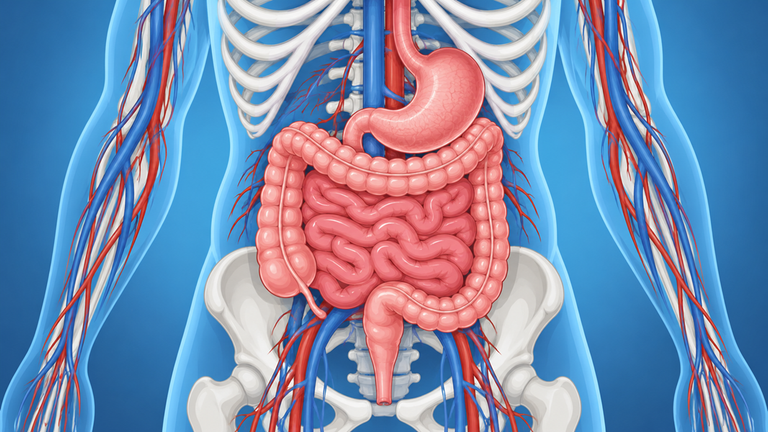
And how does colon and rectal cancer develop in our bodies? Colon and rectal polyps are precursor lesions from which colon and rectal cancer can develop. Its identification and removal by endoscopy significantly reduces this risk.. And, more importantly, the detection and removal of polyps can prevent the development of cancer and the potential interventions that come with it (intestinal surgery, chemotherapy or radiotherapy, etc.).
The best way to prevent colon and rectal cancer is through screening or early diagnosis techniques.. Detecting cancer at an early stage, when it has not yet shown symptoms, is very important for having high expectations of a cure.
The two essential tests for the detection of colorectal cancer are colonoscopy and the faecal occult blood test. Colonoscopy is a direct examination of the colon, with prior preparation and carried out in specialised centres. For their part, the faecal occult blood test is an indirect test to see microscopic traces of blood in stool, which is associated with a higher risk of cancer or large polyps. When the faecal occult blood test is positive, the patient should undergo a Colonoscopy Preferably.

What age is recommended for colorectal cancer screening?
It is recommended that the population be tested to prevent colon and rectal cancer. From the age of 50, although in some cases with a family history, the recommended age may be reduced to 40 or less.. In this regard, a Scientific Guideline has recently been published in the United States that already recommends advancing the age at which prevention begins to 45 years due to the increase in colon and rectal cancer cases between the ages of 45-50 observed in the last 30 years.
May, Digestive Health Month
With the aim of raising public awareness of the importance of early prevention of colon and rectal cancer, from the United European Gastroenterology (UEG) and the World Gastroenterology Organisation (WGO) May is being promoted as Digestive Health Month. Each year, a different pathology is highlighted, and this year it's colorectal cancer's turn.
After two years of the pandemic, during which screening programmes have been severely hampered, it is time to catch up and help reduce the incidence of colorectal cancer, not only through screening but also through the dissemination of healthy habits and primary prevention.

The aim intended with ECCAM2022 is to convince of the importance of See a doctor at the slightest symptom of illness and to undergo screening programmes. ECCAM2022 also has a strong educational component. In this regard, it wants to highlight everything related to improving lifestyle habits that help prevent the development of colon and rectal cancer: avoiding the consumption of alcohol and processed meats, avoiding tobacco, maintaining a healthy weight or practising sport.
Secondly, The campaign highlights symptoms that should not be overlooked because they could be signalling early-stage colon cancer: changes in bowel habits, sudden weight loss, extreme tiredness, blood in stools or frequent pain from gas, among others.