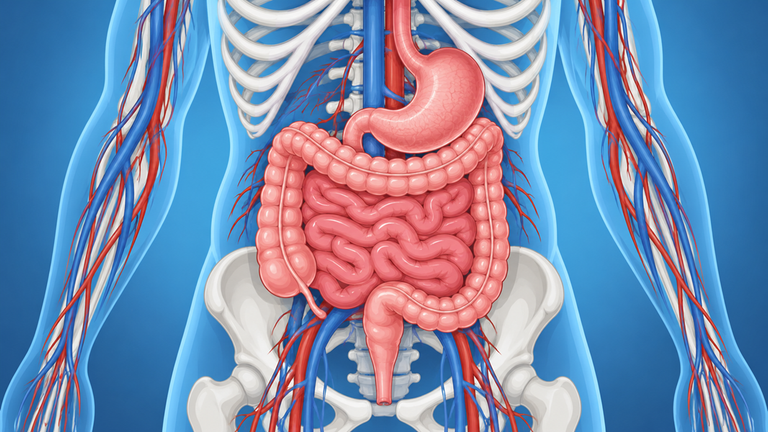




A gastroscopy, also called Gastroscopy, It is a medical test with a clear purpose: to detect possible diseases affecting the upper digestive tract, i.e. the oesophagus, stomach, and duodenum.
The Gastroscopy It involves inserting a flexible tube (endoscope) through the mouth to reach the beginning of the small intestine. This tube has a built-in camera that allows the interior of the digestive tract to be viewed live on a screen.
Given that it is a test that would be unpleasant and bothersome for the patient to undergo without sedation, many people are reluctant to have it done in the first place. However, the Gastroscopy can be easily performed for the patient with the use of anaesthetist-controlled sedation, with no discomfort for the patient. The Gastroscopy It is one of the best methods for detecting and treating diseases of the oesophagus, stomach and duodenum. The examination at our clinic in Madrid lasts approximately between 10 and 15 minutes.
How to prepare for a high digestive endoscopy or gastroscopy?
- First of all, Keep calm. It's common for patients to feel nervous before a test like this. Upper gastrointestinal endoscopy is not painful, and with sedation administered by an anaesthetist, deep sleep prevents any discomfort during the procedure.
- To carry out a Gastroscopy You must adhere to a stringent Fast for at least 8 hours. In other words, you cannot consume any liquids or solids before undergoing a gastroscopy. This will allow doctors to see clearly inside your oesophagus, stomach, and duodenum.
- It is recommended to be accompanied as the sedative effect can last for a few hours after the Gastroscopy, and the patient will not be in a fit state to drive vehicles.
- In some cases of special medications, your doctor may inform you of the necessity to stop taking them depending on the circumstances.
How long does an upper gastrointestinal endoscopy take?
High digestive endoscopies usually last 10-15 minutes and rarely go beyond 20 minutes. However, the duration of the gastroscopy will depend on what the doctors observe and the techniques that are carried out.
Do you want information? Call or write to us and we will answer your questions.
What to do after exploration
After a gastroscopy, the patient must follow a series of instructions that will aid their recovery:
- To remain in hospital for 20-40 minutes after the gastroscopy until the effect of the anaesthetic wears off. The medication used by anaesthetists for deep sedation usually loses its drowsy effect relatively quickly.
- Rest at home and avoid heavy meals or alcohol consumption. It is possible that in some cases the patient may experience nausea, a sore throat, or general malaise during a short period of time after a digestive endoscopy has been carried out, until full recovery.
What risks does an endoscopy involve?
Although endoscopy is, generally speaking, a very safe test, certain side effects can occasionally occur:
- Mild pharyngitis due to local irritation, which usually resolves within 24-48 hours.
- Slight bleeding from the area where biopsies were taken or other procedures were performed.
- Prolonged drowsiness due to increased effect of sedative medication.
In the event of major complications or reasonable doubt, the patient should always consult or go to their nearest medical centre.
If you would like more information on the Gastroscopy If you're seeking medical attention, we can help. We specialise in treating digestive system illnesses. Contact us!