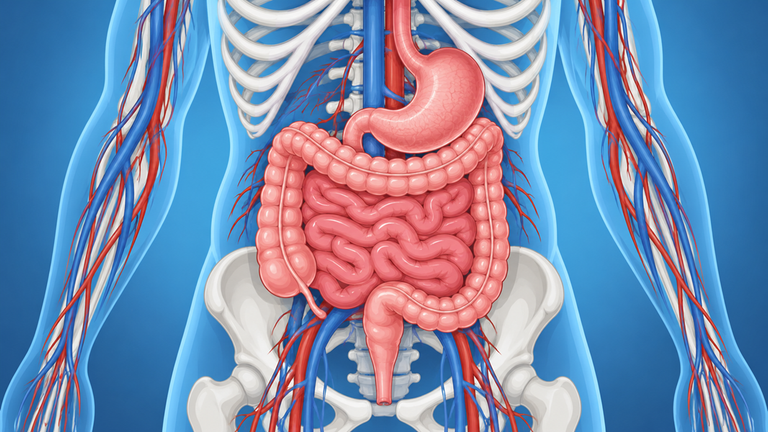
The Digestive alarm signs They don't always appear suddenly. Sometimes they start as a mild annoyance, a change in bowel habits, or a recurring uncomfortable sensation for weeks. The problem is that many people get used to living with digestive symptoms, thinking, “it's probably stress,” “it's something I ate,” or “my stomach has always been like this.”.
However, the digestive system usually warns us when something isn't quite right. And although not all symptoms indicate a serious illness, there are situations that are worth discussing with a specialist to avoid diagnostic delays and receive the appropriate treatment.
Digestive red flags: when a symptom warrants medical attention
The Digestive alarm signs are symptoms or changes that can indicate a digestive problem requiring medical investigation. They do not necessarily mean there is a serious pathology, but they are sufficient reasons not to wait indefinitely or self-medicate without control.
As an after-dinner digestive, time matters. Early assessment It can help detect inflammatory diseases, injuries, functional disorders, intolerances, liver problems, oesophageal disorders, or even diseases that require specific tests such as an endoscopy or colonoscopy.
Digestive symptoms you shouldn't ignore
Los digestive symptoms They can appear occasionally due to a heavy meal, stress or changes in routine. Identifying these signs in time can help you consult sooner and prevent a digestive problem from spiralling out of control.
Blood in stools or black stools
To say Blood in stool should never be normalised. It may appear as bright red blood, streaks on the toilet paper, blood mixed in with stools, or very dark, almost black, stools.
Although in some cases it can be related to haemorrhoids or fissures, it can also indicate bleeding somewhere in the digestive tract. Therefore, if it occurs more than once, or if it is accompanied by pain, tiredness, dizziness, or changes in bowel habits, it is important to seek medical advice.
Specially relevant is the presence of black stools, as they can suggest upper gastrointestinal bleeding and require prompt medical assessment.
Unexplained weight loss
Losing weight without having changed your diet, without exercising more, and without actively trying to is a sign that warrants attention. unexplained weight loss it may be related to absorption problems, inflammatory diseases, metabolic disorders or digestive processes that need to be studied.
It's not about panicking at any minor variation, but it is important to pay attention when the loss is progressive, visible, or accompanied by a lack of appetite, abdominal pain, persistent diarrhoea, or tiredness.
Persistent or worsening abdominal pain
The abdominal pain It is one of the most frequent reasons for digestive complaints. It can be due to gas, indigestion, constipation or stress, but not all pain should be attributed to mild causes.
Is it worth consulting if the pain:
It lasts for several days or weeks.
Wakes up at night.
Increases in intensity.
It is always located in the same area.
Accompanied by fever, vomiting, weight loss, or blood in the stools.
Interferes with daily life.
Recurrent digestive pain requires clinical context. Knowing when it appears, how long it lasts, what foods make it worse, and what other symptoms accompany it is key to guiding the diagnosis.
Major changes in bowel rhythm
Every person has different bowel habits. The important thing isn't to go to the toilet a specific number of times, but to notice clear changes from what's usual.
One Change in bowel rhythm This can include persistent diarrhoea, new constipation, alternating between diarrhoea and constipation, a feeling of incomplete bowel emptying, or changes in stool consistency.
You should seek assessment if these changes last for several weeks, appear for no apparent reason, or are accompanied by bleeding, pain, anaemia, or weight loss.
Signs related to the upper digestive tract
Some Digestive signs appear in the upper digestive tract, such as the oesophagus, stomach or upper abdomen. Although they may seem like common discomforts, if they recur or worsen, it is advisable to have them assessed to rule out problems requiring specialist attention.
Difficulty swallowing
The Dysphagia, This, also called dysphagia, is an important warning sign. It can be noticed as a sensation of food getting stuck, needing to drink water to swallow, pain when swallowing, or progressive difficulty with solids and liquids.
This symptom should not be ignored, especially if it appears in adults, worsens over time or is accompanied by weight loss, vomiting or chest pain.
Reflux that does not improve or appears with associated symptoms
The Gastro-oesophageal reflux It is common, but should not always be treated as something minor. If heartburn appears occasionally, it may be related to large meals, alcohol, tobacco or certain habits. However, if it is persistent, severe or does not improve with basic measures, it is advisable to investigate it.
It is also advisable to check if the reflux is accompanied by:
Difficulty swallowing.
Repeated vomiting.
Weight loss.
Anaemia.
Pain when swallowing.
Digestive bleeding.
In these cases, it may be necessary to rule out complications or associated diseases.
Repeated vomiting or vomiting blood
Isolated vomiting can occur due to infections, spoiled food, or isolated incidents. But the persistent vomiting they should not be normalised, especially if they prevent normal eating or drinking.
If it appears Vomiting blood, coffee ground appearance, intense weakness, dizziness, or signs of dehydration, it is important to seek urgent medical attention.
Other signs that also deserve attention
In addition to the more commonly known symptoms, there are less obvious signs that could be related to a digestive problem:
Anemia for no clear reason.
Persistent severe fatigue.
Persistent loss of appetite.
Progressive abdominal swelling.
Jaundice, i.e. yellowing of the skin or eyes.
Fever accompanied by digestive symptoms.
A family history of gastrointestinal cancer or inflammatory bowel disease.
These signs should not be interpreted in isolation, but they do warrant a personalised assessment.
When to ask for a second opinion from a gastroenterologist
Order a second opinion on gastroenterology It doesn’t mean doubting a previous diagnosis. It means seeking clarity when symptoms persist, when tests don’t explain what’s going on, or when you need to better understand your options.
It may be advisable to seek a second opinion if:
You have been experiencing digestive symptoms for some time now, with no clear diagnosis.
You have received treatments, but you are not noticing any improvement.
You have been offered a test or procedure and would like to consider your options.
Your symptoms have changed or worsened.
You have a family history of the condition and would like a more comprehensive assessment.
A second opinion can help you make sense of the information, review previous test results and decide on the next steps with greater confidence.
Listening to your body is also prevention.
Ignoring digestive symptoms for months can delay important diagnoses. Many people come for consultation after living for too long with discomfort that was already affecting their quality of life.
Asking doesn't mean assuming the worst. It means act responsibly, understand what is happening and receive appropriate medical advice.
Conclusion: Not every digestive symptom is serious, but some should not wait.
The Digestive alarm signs These are warning signs that should not be ignored. Blood in the stools, unexplained weight loss, difficulty swallowing, persistent abdominal pain, long-term changes in bowel habits or repeated vomiting are all sufficient reasons to seek specialist assessment.
And GASTEIZ We can help you review your case, assess your symptoms and offer you a second opinion on gastroenterology clear, thorough and personalised. If you’ve been experiencing digestive problems for some time or have concerns about a previous diagnosis, don’t put it off. Request a valuation and take the first step to understand what's happening.
Tell us what you thought of this article. Rate it (FROM 1 TO 5 STARS).